Search

Mail Order Plants

Hellebores

About Our Hellebores

Our hellebores are regarded as being some of the finest strains ever produced, attracting gardeners and growers from all over the world. We are extremely proud that at RHS London Flower Shows everyone of our exhibits since 1993 has been awarded a coveted Gold Medal, a record unrivalled by any other hellebore grower.

We grow a comprehensive range of both species and hybrids, but its is for our Hellebores 'Ashwood Garden Hybrids' that we are internationally acclaimed, and our plants have been featured in the national press, gardening books and magazines as well as on television.

Our breeding programme is ongoing so that each year sees exciting developments, with new colours and forms being introduced. We also continue to experiment with inter-species hybrids, which has resulted in the introduction of new varieties such as H. x 'Pink Ice' and H. x 'Brian Rose'

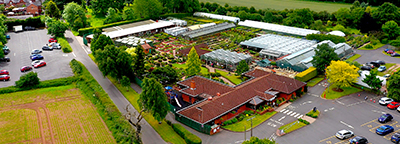
Do try and visit us during January and February when you will find a mouthwatering selection of hellebore plants for sale in our beautiful sales house. We also hold two Hellebore weekends which will give you a fascinating insight into our breeding programme and a wonderful opportunity to see our stunning stock plants.

The Genus Helleborus

Hellebores are herbaceous perennials and are members of the genus Ranunculaceae, the Buttercup family. There are possibly 15 species distributed throughout central and southern Europe, Turkey, Russia and China. H. foetidus and H. viridis can be found scattered throughout north western Europe including Great Britain, but not in Ireland. Hellebores generally grow on deciduous woodland slopes or in shaded clearings among scrub or rocks. they are also found on apparently open, sunny slopes. these may later become overgrown and hence shaded in the summer. Hellebores are frequently found in limestone areas, but they can grow happily in both acid and alkaline soils. The one certain factor about Hellebore species is they do not conform easily to being classified. Only after careful study of wild populations do you begin to understand their subtle differences and inherent variability.

Cultivation

Hellebores are very tolerant and will grown in most soils as long as the ground is not extremely dry or waterlogged. they prefer a sheltered position in semi shade, (dense shade can reduce flowering) with a rich, moist, free draining soil. By planting your Hellebores on a sloping bed, you will naturally improve the drainage and make it much easier to look into the the flowers. Your soil preparation is most important. Hellebores are deep rooted and to flower at their best, they need plenty of nutrients. Dig your soil as deep as possible and mix in plenty of humus in the form of leaf mould, spent mushroom compost, or well rotted manure. Mulch with spent mushroom compost in July-August, when next year's flower buds are being formed and again in late December. Remove the old faded flower stems, unless you require seed, to encourage next year's developing new growth. Cut out any damaged or diseased foliage and remove all remaining foliage from Ashwood Garden Hybrids and deciduous species in late December. This reduces the risk of infecting the new season's growth. Spray occasionally with a systemic fungicide and keep a look out for greenfly, slugs, and snails. Hellebores are generally long-lived plants. The regular mulching and feeding helps keep them healthy and free flowering. If your hellebores start to decline; you can lift and divide them just after flowering into single crowns. Prepare your soil well and replant, but be aware that the new divisions may take a few years to recover.

Seed Sowing

Sow Hellebore seed as soon as possible (preferably in July or August), in Supagro Seed Compost or in a mixture of 50% John Innes Seed Compost and 50% Multi-purpose Levington. Sow the seed thinly and cover with 6mm (1/4") layer of a mixture of 50% vermiculite and 50% washed grit. Leave the pot out in the open, but do not allow them to dry out. When germination has occurred, bring them into a cold frame or cool greenhouse, taking care against possible damage from slugs or mice. Prick out into small pots when the seed leaves are large enough to handle, using a mixture of two parts, (by bulk) of John Innes No.2, one part washed grit and one part of Levington. Pot on as required. Liquid feed regularly from about six weeks after potting on.

Full Colour Brochure - A full colour brochure containing information on Hellebores, Hardy Cyclamen, Anemone Pavonina,  Lewisia and Primula Auricula can be obtained for £2.20, (£3.70 for E.U. and Overseas). Contact the nursery with your credit card details. (Sorry temporarily out of print)